
The Allure of Casinos
From the exhilarating sounds of spinning slots to the suspenseful atmosphere at card tables, casinos are designed to captivate players‘ attention. This environment is not just about chance but also about creating an engaging experience that triggers excitement and anticipation. The psychology behind this allure involves sensory stimulation, where sights, sounds, and even scents are meticulously curated to enhance emotional responses. Additionally, players may seek out the best online pokies australia to enjoy a similar thrill from the comfort of their homes while leaving the stress of daily life behind in pursuit of entertainment and potential rewards.
The aesthetics of a casino play a significant role in attracting players. Bright lights and vibrant colors are strategically used to create a sense of urgency and excitement. Casinos often lack windows and clocks, removing the perception of time, which encourages players to stay longer. This intentional design manipulates the psychology of players, making them oblivious to the hours flying by as they immerse themselves in the gaming experience. The goal is simple: the longer the stay, the higher the likelihood of increased spending.
An additional psychological factor lies in the culture of winning. The portrayal of winners, especially in advertising and on the casino floor, fosters a mindset that anyone can be lucky. This belief can lead players to underestimate the odds and overestimate their chances of winning. The euphoric feelings associated with rare wins are amplified, reinforcing the desire to continue playing. As gamblers indulge in this fantasy, they become engulfed in the allure of the casino atmosphere, often losing track of rational thought.
The Role of Emotion in Gambling
Emotions are paramount in shaping the gambling experience. When players are on a winning streak, they often experience heightened joy and elation, which can lead to further risk-taking behavior. Conversely, losses can prompt feelings of frustration and determination to reclaim losses, a phenomenon known as the „loss chasing“ mentality. This cycle of emotions can cloud judgment, leading players to make impulsive decisions in pursuit of a fleeting high. Understanding these emotional triggers is essential in deciphering the behavior of casino players.
The thrill of gambling activates the brain’s reward pathways, particularly the release of dopamine, which is associated with pleasure and motivation. This chemical response reinforces the behavior, prompting players to chase not only money but the emotional highs that accompany wins. Interestingly, researchers have demonstrated that even the anticipation of a win can produce significant emotional responses. This anticipation can become addictive, as players often feel invigorated by the mere thought of winning, turning cautious approaches into reckless abandon.
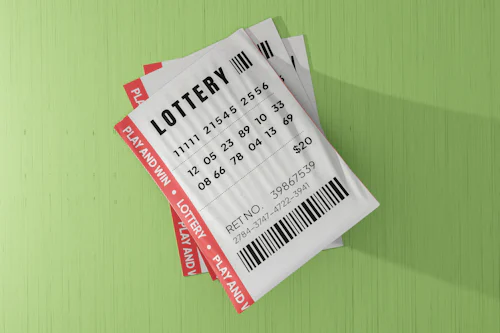
Moreover, the social aspect of gambling can significantly influence emotional states. Players often gamble in groups, which creates a shared experience amplified by collective emotions. Celebrating wins together or commiserating over losses can enhance the bonding experience among players, encouraging further participation. Social dynamics can lead to peer pressure, where players feel compelled to match the energy of their companions, increasing their engagement with the games and potentially escalating their spending. This blend of emotion and social interaction forms a powerful cocktail that drives behavior in casinos.
Cognitive Biases in Gambling
Cognitive biases are inherent mental shortcuts that can lead players to make irrational decisions while gambling. One common bias is the „gambler’s fallacy,“ which is the erroneous belief that past outcomes influence future results. For example, a player may think that due to a series of losses, a win is now „due.“ This flawed logic can lead to excessive risk-taking, as players attempt to offset their perceived poor luck. Understanding these cognitive biases is crucial for both players and casino operators, as they shape gambling behaviors significantly.
Another cognitive bias is the illusion of control, wherein players believe they can influence outcomes through personal skill or strategies. This mindset is particularly prevalent in games like poker or blackjack, where players feel their choices impact the game. The casino environment often reinforces this belief by providing opportunities for strategy development, even in games largely governed by chance. This illusion can lead to overconfidence, encouraging players to engage in riskier bets and ultimately contributing to financial losses.
Additionally, the framing effect plays a significant role in how players perceive their gambling experiences. For instance, casinos often highlight success stories while downplaying losses, creating a skewed perception of the odds and reinforcing a narrative of winning. This selective presentation of information can distort reality for players, making them more likely to see gambling as a viable path to wealth. By understanding these cognitive biases, casinos can manipulate player behavior, while players must be aware of them to make more informed decisions.
The Impact of Environment on Gambling Behavior
The environment within a casino is carefully curated to maximize player engagement. Beyond visuals and sounds, the layout and accessibility of games play critical roles in shaping gambling behavior. Casinos often employ a labyrinthine design to encourage exploration, ensuring players encounter various games and amenities along the way. This design strategy keeps players engaged for extended periods and increases their likelihood of spending more. The strategic placement of high-stakes games versus low-stakes ones can also influence where players gravitate, further controlling their gambling patterns.
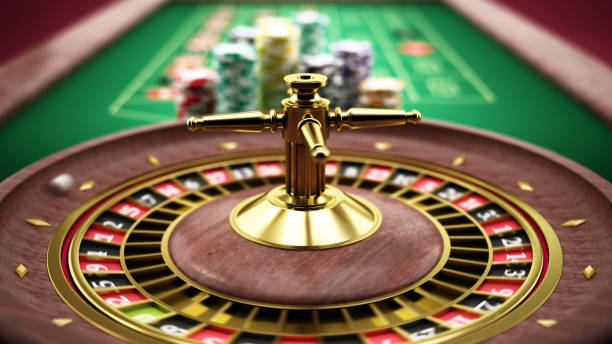
The use of rewards and loyalty programs is another critical aspect of the casino environment. These programs tap into players‘ desires for recognition and validation. By offering points, perks, and exclusive experiences, casinos create a sense of belonging that enhances the overall experience. This system not only encourages repeat visits but also fosters emotional investments, where players feel a personal connection to the brand. The more a player engages, the more they perceive value in their loyalty, which can further entrench their gambling habits.
Moreover, the influence of ambient factors, such as music and scents, cannot be overlooked. Research shows that specific soundscapes can enhance mood and promote longer stays, while particular fragrances create a comforting atmosphere. These elements are designed to make players feel at home, encouraging them to relax and stay longer. This creates a feedback loop where comfort leads to prolonged engagement, which in turn can increase the potential for losses, making the environment an essential tool in understanding gambling psychology.
Your Journey into Casino Understanding
As we delve into the intricate psychology of casino players, it becomes evident how multifaceted and complex this world truly is. Players are often unaware of the psychological mechanics at play as they enjoy the thrill of gaming. Understanding these concepts not only benefits players in making informed decisions but also helps casinos create environments that enhance player experience while additionally considering responsible gambling practices.
For anyone looking to explore this fascinating topic further, various resources and platforms delve into the inner workings of gambling psychology. Awareness of one’s own behaviors, as well as the strategies employed by casinos, is crucial for a conducive and enjoyable gaming experience. Whether playing for fun or entering with a serious intent, having a comprehensive understanding equips players with the tools to navigate their journey wisely.
In conclusion, by unearthing the psychology behind casino behaviors, we can appreciate the dynamics at play, fostering a more profound understanding of this industry. This knowledge empowers players to engage in responsible gaming while also appreciating the sophisticated methods that shape their experiences in the thrilling world of gambling.